Chin dimpling, often called “pebble chin” or “orange peel chin,” has a deceptively simple cause and a very fixable solution. When the mentalis muscle in the chin overworks, it puckers the skin into a dimpled, pebbled texture that shows even at rest in some people and intensifies with speaking, smiling, or concentrating. In a face that otherwise reads smooth and youthful, the chin’s texture can draw attention and disrupt balance. Carefully placed botox injections can relax that overactive muscle and restore a sleek, even surface.
I have treated a wide range of chins, from faint lemon-zest texture to deep, golf-ball dimpling coupled with a curled lower lip and a tight chin pad. The right approach blends anatomy, microdosing, and restraint. Below is a practical, complete guide that covers how botox treatment helps, what the botox procedure looks like, typical botox dosage for the chin, how the results unfold, the cost and maintenance considerations, and the trade-offs you should weigh if you are comparing botox vs filler or other options.
Why the chin dimples
The mentalis is a paired muscle centered on the chin. Its job is to raise and wrinkle the chin skin and nudge the lower lip upward. In some people, the muscle compensates for dental occlusion issues or a retruded chin. In others, it simply has a strong baseline tone. Over time, repetitive contraction etches a pebbled pattern and may even contribute to vertical lip lines and a downward pull at the corners of the mouth. Skin laxity and volume loss layer on, so the texture becomes more prominent with age.
" width="560" height="315" frameborder="0" allowfullscreen="" >
Patients often come in asking about botox for wrinkles in the forehead or botox for crow’s feet and only then realize that the chin’s rough texture is an equal, sometimes larger, tell of aging. Smoothing this area can lift the whole lower face aesthetic without changing identity, which is one reason botox cosmetic treatments for the chin have become a staple in lower-face rejuvenation.
How botox smooths a pebble chin
Botulinum toxin, used in botox cosmetic procedures, temporarily blocks the nerve signal to muscles. When we relax the mentalis with targeted botox injections, the skin overlying the muscle stops bunching. The surface looks more matte and uniform. Fine lines around the chin crease soften, and the lower lip often sits more naturally rather than tucking inward. If you have a hyperactive mentalis, the effect can be dramatic, yet still natural when dosing is precise.
I prefer microinjections in two to four sites per side, placed at different depths. The deepest point addresses the core bulk of the muscle, and the more superficial microinjections even out the surface tension. The goal is not to paralyze the lower face. You should still articulate words clearly, smile, and chew comfortably. At rest, the chin should appear smooth, and during expression, it should maintain gentle, normal motion.
Candidacy and expectations
Ideal candidates notice dimpling at rest or with slight movement and feel the chin “tighten” when talking or concentrating. If you have a significant skeletal retrusion or a habit of chronic lip pursing, botox treatment helps with texture but might not fix structural volume loss. In those cases, a botox filler combination works well. A hyaluronic acid filler can support the mentalis and restore forward projection while botox polishes the skin surface by reducing muscle overactivity.
People with a history of difficulty with perioral botox, major speech or swallowing disorders, or pregnancy should delay treatment. Men can benefit just as much as women; the chin is a frequent site of muscle overactivity in both. Botox for men in the chin area usually requires slightly higher botox units on average due to larger muscle mass, though dosing still varies person to person.
Expect a subtle refinement, not a total rewrite of your lower face. The most satisfied patients tell me they look rested and well, but friends cannot pinpoint why. If you hope for a change in chin projection or jawline definition, filler or implants may be more appropriate, or a conservative combination approach.
What the botox procedure looks like on the day
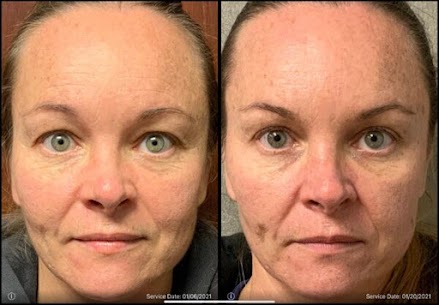
After a brief botox consultation, I evaluate how your mentalis behaves at rest and during expression. I ask you to say a few words and to close your lips affordable botox Southgate gently so I can see the muscle grip. I palpate the muscle and map injection points with a cosmetic pencil. Photos help capture botox before and after results and serve as a reference for future botox maintenance.
Skin is cleansed and, if you like, we use ice or a small amount of topical anesthetic. Most patients find the botox injection process very tolerable. The botox dosage for the chin often ranges from 6 to 12 units for women and 8 to 16 units for men, split among multiple microinjections. Those numbers vary based on your muscle’s size, your goals, and whether we are also treating nearby areas such as the DAO muscles that pull the corner of the mouth down, the platysma bands that affect the jawline, or perioral lines. The entire botox procedure takes about 10 minutes once you are mapped.
Mild pressure follows each injection to reduce pinpoint bleeding. Makeup can go back on after a short interval. You can return to work or errands right away.
Aftercare and recovery
You will not see botox results immediately. The first changes usually appear in 3 to 5 days, with a full smoothing effect by 10 to 14 days. Most patients describe botox recovery time as minimal. Normal speaking, drinking, and gentle facial motion are fine. I advise avoiding heavy exercise, massage of the area, or lying face down for about 4 hours. I also suggest skipping saunas for the day and wearing a clean mask if you are in crowded spaces to keep bacteria away from the fresh microinjection points.
Bruising is uncommon on the chin but possible. If you are prone to bruising, plan your botox appointment at least two weeks before any event or on-camera appearance. If we combine botox with filler, I stagger treatments in some cases, starting with botox and re-evaluating volume needs two weeks later when muscle activity has softened.
How long results last and when to top up
The botox results duration in the chin is often 3 to 4 months for first-timers. With repeated treatments, some patients stretch to 4 to 6 months as the muscle learns a calmer baseline. Your personal metabolism, exercise levels, and dosage all matter. People with high-intensity training schedules often metabolize botox wrinkle relaxer a bit faster.
I typically see chin patients at two weeks for a quick check. If a tiny dimple persists on one side, a conservative botox touch up with 1 to 2 units can even things out. A smart botox maintenance schedule for the first year is every 3 to 4 months. After we understand your pattern, we can try spacing to 4 to 6 months, watching for the earliest sign of returning dimples. When you reschedule proactively, you tend to need fewer units overall, and results look consistently smooth rather than cycling from perfect to pebbled.
Cost and how pricing varies
Botox pricing varies by region, injector experience, and whether the clinic charges per unit or per area. When billed by the unit, per-unit costs can range widely. A chin session might use 6 to 16 units, occasionally more for strong male mentalis muscles or for cases with associated lip curl. Billed per area, the chin is generally priced below larger regions like botox for forehead lines or botox frown lines. A rough range for the chin alone often lands lower than combination lower-face treatments that include the DAO or platysma.
Price should not be the only factor. The chin is a technically small but high-stakes area. A skilled injector with a conservative approach reduces the risk of asymmetry, lower-lip heaviness, or a flat, expressionless look. If you are searching for “botox near me,” vet credentials, review botox results photos for the lower face, and ask detailed botox consultation questions about dosage, injection depth, and how they manage side effects.
Potential side effects and how to avoid them
Like any botox cosmetic enhancement, chin treatment carries risks. The most common botox side effects are mild: pinpoint redness, swelling, and infrequent small bruises. Sensitive patients may have temporary tenderness. Less commonly, if botox diffuses too superficially or in excess, speech can feel slightly off, especially with labial sounds like P and B. Drinking from a narrow straw may feel awkward for a few days. These effects typically resolve as the botox relaxant settles and your brain adapts.
There are avoidable pitfalls. Overdosing can create a heavy lower lip or a pressed, overly smooth chin that looks unnatural with expression. Misplaced units near the depressor labii or DAO can alter smile dynamics. If you have background issues such as TMJ dysfunction or a strong platysma that tugs the chin pad downward, treating the chin alone may unmask other imbalances. This is why an integrated plan matters. A seasoned provider will adjust your map after watching you speak and smile and may recommend addressing adjacent muscles or staging treatments.
If you develop unusual symptoms such as swallowing difficulty or significant asymmetry, call your provider promptly. Although serious complications are rare, early evaluation is better than waiting.
Chin smoothing in the context of the whole face
Patients often come asking for botox around mouth areas or botox for smile lines when what they really dislike is the texture and tension created by the mentalis. A quiet chin often harmonizes with botox for crow’s feet or a soft botox eyebrow lift to refresh the upper face. If forehead movement is strong, balancing botox forehead dosing keeps expressions from “shifting” upward after the lower face relaxes. The goal is facial symmetry and coherence, not isolated patches of smoothness.
For aging skin with etched perioral lines and a recessed chin, I might combine light hyaluronic acid filler in the chin apex or pre-jowl fold with conservative botox to the mentalis and small units to the DAO. This botox filler combination can subtly support the jawline and lower lip without creating an obvious “done” look. If grinding or clenching is prominent, botox for jaw clenching in the masseters may slim the face and reduce strain that accentuates chin tension. The interplay between muscles matters. When the jaw muscles relax, the mentalis often becomes less overactive, and fewer chin units are needed over time.
Comparisons: botox vs filler for chin texture
Botox vs filler is not a competition, it is a choice based on the cause of what you are seeing. If dimpling is due to muscle overactivity, botox is the primary tool. If the chin looks pebbled because the skin is draped over a hollowed bony base or the mentalis has migrated upward from bone resorption, filler can restore support and reduce visual irregularities. In many mature faces, both are needed, with botox first to calm the canvas and filler second to finesse contour.
Patients sometimes ask about energy devices for skin tightening on the chin. These can offer modest improvement for laxity but will not fix dimpling due to an overactive mentalis. If your goal is a smooth texture rather than firmer skin, botox is more direct. Fractional lasers and microneedling can help with pores and scars, yet they do little against dynamic dimpling without addressing the muscle.
Units, dosing finesse, and why less is often more
In the chin, precision matters. A common starting point is 2 to 4 injection points per side with 1 to 3 units at each point, titrated to your baseline strength. I always begin conservatively for first-timers. If you have a strong “orange peel” at rest, I still prefer to stage the dose rather than flood the area. You can always add a botox touch up at two weeks, but reversing excess is not straightforward. This measured approach maintains natural function and keeps your speech, smile, and eating comfortable.
People used to high-dose botox for forehead lines or a robust botox brow lift sometimes expect a similar volume elsewhere. The chin is different. The mentalis is small and central. A little goes a long way. If you need more support after the muscle quiets, that is when a tiny lift with filler can complement without the risks of over-relaxation.
What results look and feel like over time
The first week, you will notice less bunching when you speak or concentrate. By day 10 to 14, the surface looks smoother, pores appear smaller, and the chin crease softens. The lower lip may rest in a more neutral position. Makeup sits more evenly. If you track botox before and after photos, look at the chin in profile and three-quarter views while speaking a word like “purple.” The difference in mentalis grip becomes obvious.
The effect is not static. As botox gradually wears off, the dimpling returns subtly before becoming obvious. Many patients schedule their botox maintenance at the first hint of returning texture rather than waiting for a full relapse. Over a year of consistent treatment, the muscle often learns a calmer resting tone. That is the sweet spot, where you need fewer units, less often, for the same smoothing.
A practical checklist for choosing a provider
- Ask how many lower-face and chin botox procedures they perform weekly and request chin-focused botox results photos. Discuss planned botox units and injection depths; look for a staged, conservative approach and a two-week review policy. Confirm how they handle asymmetry or speech changes if they occur and whether a small botox touch up is included. If you also need contour support, ask about a botox filler combination plan and whether they stage botox first. Review total cost transparently, whether per unit or per area, and clarify the expected botox maintenance schedule.
When chin dimpling connects to other concerns
The lower face acts as a system. If you clench or grind, the masseter muscles enlarge, the jawline looks bulkier, and the chin often recruits to help the lips close. Treating clenching with botox for teeth grinding may indirectly soften chin overactivity. If you have strong platysma bands tugging downward, tiny units along the jawline can relax the pull, which helps the chin rest position. For patients with migraines who already receive botox for migraines, the chin is not part of standard protocols, but scheduling both treatments on the same day can be convenient if dosing plans are coordinated.
In hyperhidrosis cases, botox for sweating does not intersect with chin treatment, but patients accustomed to body-area dosing often underestimate how delicate facial dosing must be. The mantra remains: microdose, reassess, and respect small muscles.
Addressing myths and common worries
People worry that botox will freeze the mouth. With proper technique, you still smile, laugh, and speak normally. The goal is to stop the unwanted puckering, not expression itself. Another concern is that results will appear uneven. The chin is naturally a bit asymmetric; a skilled injector corrects for that. If a mini dimple persists, a touch up solves it rather than adding bulk everywhere.
Some ask whether botox can “thin” the skin. The toxin acts on nerves to muscles, not on the skin itself. What you see is smoother texture from less wrinkling, not skin thinning. Others wonder about long-term effects. In practice, long-term users often enjoy the benefit of gentler muscle habits, leading to longer intervals and smaller doses. If you ever stop, the muscle returns to baseline activity, and dimpling resumes; there is no rebound worse than before.
Planning your appointment and the weeks after
Booking the chin along with another small area is common. Many combine with subtle botox for fine lines under the eyes or a very light botox eyebrow area lift to harmonize the face. If you are new to injectable treatments, keep the day simple: chin only, review in two weeks, then decide if you want satellites such as the DAO or perioral lines adjusted. A staged plan tends to look more natural and avoids overcorrection.
For events, schedule at least two weeks in advance. For speaking engagements or recordings, a one-week buffer is usually enough for most patients, but the full polish takes closer to two weeks. If you are considering a botox procedure video for your own documentation, ask your clinic about consent rules and camera placement ahead of time so the visit runs smoothly.
What beginners should know
If you are new to botox injections for the face, the chin is a great place to start because the effect is targeted and the recovery is light. The subtlety surprises people. You do not walk out looking different. You wake up a few days later and realize lipstick applies cleanly, the chin doesn’t bunch on Zoom, and selfies look more refined from every angle. Keep expectations focused on texture and balance rather than transformation.
If you are also curious about a botox lip flip, discuss sequencing. A lip flip uses tiny units to relax the upper lip and show more vermilion, while chin botox calms the mentalis. Done together in the right doses, the mouth looks more open and youthful. Too much in either area can impede speech. This is where experience and restraint pay off.
When to consider alternatives or additions
If your primary concern is the deep labiomental crease rather than general pebbling, filler often plays a larger role, placed deep along the crease to support the chin pad. If the lower face lacks definition, mild augmentation of the chin or pre-jowl sulcus can create better shadow play and reduce the visual emphasis on texture. If loose skin is prominent and the dimpling is secondary, you may be better served by skin tightening modalities or surgical options. Botox remains a tool for muscle-related texture, not a fix for every lower-face issue.
For those with strong jowling or neck bands, addressing the platysma with microinjections along the mandibular border and vertical banding can lift the frame around the chin. A gentle “Nefertiti-like” jawline strategy can prevent the platysma from pulling downward and undermining the smoothness we create centrally.
Realistic timelines and maintenance mindset
Plan for a two-week horizon for full botox results. Expect maintenance a few times per year. Budget for small dose variations as we learn your muscle behavior over seasons and stress levels. If you are meticulous with skincare, SPF, and hydration, the skin over a relaxed mentalis looks healthier because it no longer creases into the same micro-folds all day. Add a retinoid at night and a peptide or growth-factor serum if tolerated, and you will enhance the visual payoff of botox smooth skin.
Think of chin botox as the final polish in a lower-face strategy. It is not about looking different in a single snapshot, it is about every moment of your day where the chin would otherwise crease, pucker, or distract. When that texture calms, the eye travels to your features rather than the surface of your skin.
A short step-by-step for first-time patients
- Consultation: assess mentalis strength at rest and motion, review medical history, discuss botox dosage range and plan. Mapping: mark two to four microinjection points per side, cleanse, optional ice or topical anesthetic. Injection: 6 to 16 total units on average, distributed in microdoses; total time about 10 minutes. Aftercare: avoid pressure and strenuous exercise for a few hours; expect results in 3 to 14 days. Review: two-week check for symmetry; plan botox maintenance every 3 to 6 months depending on response.
The bottom line
Botox rejuvenation for a pebble chin is a small, high-impact tweak that brings the lower face back into harmony. When done thoughtfully, the mentalis relaxes, the skin looks smoother, and the mouth sits in a more natural, youthful position. Dosing is lightly tailored, results are predictable, and downtime is minimal. The most important determinants of success are an experienced injector, a conservative initial plan with room for a touch up, and a realistic understanding of what botox can and cannot do on its own.
If you are evaluating options for lower-face refinement and keep noticing the chin in mirrors and photos, this is a strong candidate for a first move. A few well-placed units can make your entire face look calmer and more polished without drawing attention to any one change. In the nuanced world of aesthetic medicine, that quiet effectiveness is the hallmark of a good plan.